Lighting Upgrades Across Sussex and the South East

Lighting specialists

Indoor and Outdoor Lighting Installed, Repaired and Certified

Lighting is the electrical work most people notice every day, and the part most likely to be lived with when it is not quite right. We install, replace and repair lighting throughout the home and outside it, from a single fitting that has stopped working to a whole set of downlights across a new ceiling.

Our engineers work across Sussex and the South East on lighting of every kind: pendants and ceiling roses, flush and semi-flush fittings, LED downlights, track and spotlights, under cabinet strips, loft, garage and outbuilding lighting, wall lights and stair and landing lighting. Switching is part of the same job, whether that is a new two-way switch or a dimmer that suits the lamps you have chosen.

Lighting circuits are also a common source of faults, and a light that flickers, buzzes or trips the board is worth looking at properly rather than living with. We are available 24 hours a day, 7 days a week, so a lighting circuit that has gone dead in the evening does not have to wait. Quotes are free and the price is explained before we start.

Lighting Upgrades by CK Electrical

About this service

What Lighting Work Involves

Lighting Faults We Are Called Out To

The lighting calls we get fall into a few patterns: lights that flicker or buzz, a dimmer that hums, downlights failing one after another, a switch that only works in one position, or a whole floor of lights out while the sockets stay on. Most of these sit at a joint, a switch, a driver or a damaged cable rather than in the fitting itself.

We trace the fault by testing the circuit rather than swapping parts and hoping. That means checking the switch drops, the loop-in connections at each rose and the condition of the cable above the ceiling, then repairing what is actually at fault and testing the circuit again before we leave.

What Fitting New Lighting Involves

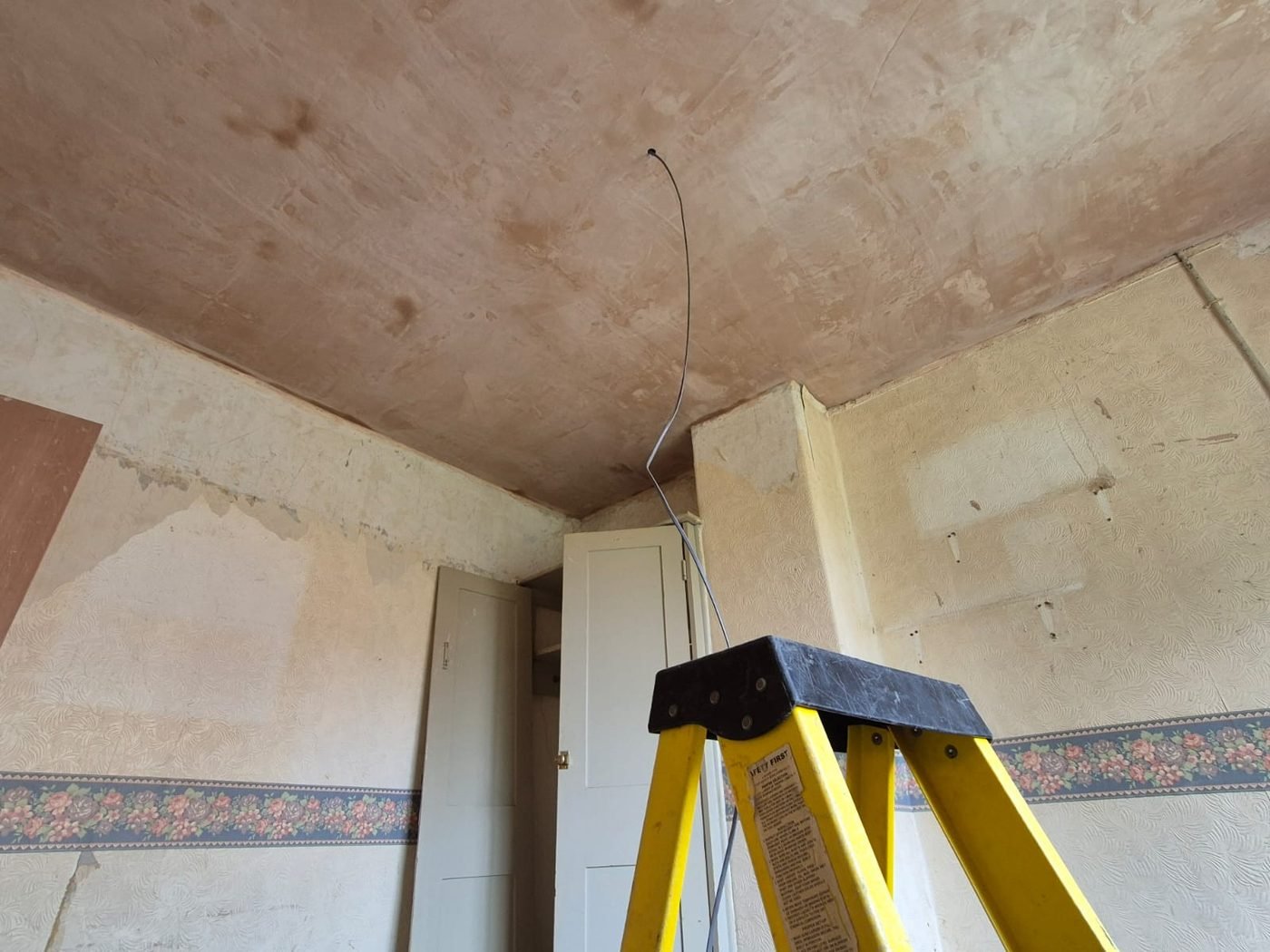
For a straight swap we isolate the circuit, check what is behind the existing fitting and make sure the ceiling point can carry the new one. Older roses often hold several cables looped together, so the connections are remade properly rather than crammed back into a smaller fitting.

New downlights or extra points need more planning. We agree the layout and switching with you first, keep fittings clear of joists and pipework, and allow for insulation and fire separation where the ceiling sits between floors. Cable routes are chosen to keep making good to a minimum.

Garden, Security and Outside Lighting

Outside lighting has to cope with weather, so fittings are chosen for the right IP rating and fixed where water can drain away from them rather than sit in them. Supplies to garden lighting, sheds and outbuildings are run in cable suited to being outdoors or buried, and protected at the board.

Security lighting is set up so it does the job without annoying anyone: sensors aimed away from the pavement and neighbouring windows, sensible timing and sensitivity, and a switch or override where you want one. Floodlights, wall lights, path and step lighting and porch lights are all covered.

Bathrooms, Kitchens and the Wiring Regulations

Bathrooms and shower rooms are treated as special locations, so fittings are selected for the zone they sit in and the circuit is protected accordingly. Kitchens bring their own points to watch, including heat above hobs, ventilation around recessed fittings and drivers that need to stay accessible for future replacement.

All lighting work is carried out to the current wiring regulations, BS 7671, by engineers who are Part P registered and fully insured. New or altered circuits are tested on completion and you are left with the certificate covering the work, which matters if you are letting the property or selling it later.

What we cover

Every Lighting Upgrade We Cover, Grouped by Job

Lighting work runs from swapping a single fitting to running a new lighting circuit, and most people arrive knowing the result they want rather than the trade term for it. Everything CK Electrical covers is grouped below by the kind of job, so the one you are after is easy to find. Domestic, commercial and industrial, across Sussex and the South East, with free quotes and no obligation.

Fittings and replacements

  • LED lighting upgradesReplacing halogen, fluorescent and older fittings with LED equivalents throughout the property.
  • Downlight upgradesNew LED downlights, fire-rated downlights and replacements for old halogen spots.
  • Ceiling light upgradesPendants, flush fittings, chandeliers and decorative fittings hung and connected in place of older lights.
  • Feature and accent lightingLED strips, alcove lighting, shelving lights and architectural lighting installed and switched.
  • Lighting fault upgradesReplacing fittings that are damaged, unreliable, flickering or overheating.
  • Energy-efficiency upgradesReducing the energy your lighting consumes through LED fittings and better controls.

Lighting room by room

  • Kitchen lightingDownlights, under-cabinet lights, worktop lighting and feature lighting through the kitchen.
  • Bathroom lightingSuitable IP-rated fittings, illuminated mirrors and bathroom downlights fitted throughout the room.
  • Bedroom lightingBedside switching, wall lights, downlights and wardrobe lighting fitted to suit the room.
  • Staircase and hallway lightingWall lights, step lights and automatic lighting on staircases and through hallways.
  • Loft lightingPermanent loft lights and switches positioned where you can reach them conveniently.
  • Garage and workshop lightingHigh-output LED battens and task lighting for garages, workshops and other working spaces.

Getting the light right

  • Brightness improvementsImproving lumen output and light distribution in rooms that are poorly lit.
  • Colour temperature improvementsChanging between warm, neutral and cool white lighting to suit how a room is used.
  • Additional lighting pointsInstalling lighting points in rooms and areas where none currently exist.
  • Lighting relocationMoving existing ceiling or wall lighting points to a more useful position.
  • Lighting designDeciding fitting quantities, locations, beam angles and switching arrangements before any work begins.

Switches and controls

  • Switch upgradesNew switches, decorative switches and grid systems fitted throughout the property.
  • Two-way and three-way switchingControlling the same lighting from two or three separate positions in a property.
  • Dimmer upgradesLED-compatible dimmers and replacement dimmer switches that work with LED fittings.
  • Lighting controlsTimers, photocells, PIR sensors, occupancy sensors and daylight sensors so lighting responds automatically.
  • Smart lightingApp-controlled lights, smart switches, timers and automated lighting set up throughout the property.

Outdoor and security lighting

  • Outdoor lightingWall lights, soffit lights, pathway lighting and garden lighting around the property.
  • Security lightingPIR floodlights, motion-activated lights and dusk to dawn lighting outside the building.
  • Garden lighting systemsDecking, patio, driveway, wall, spike and landscape lighting run out across the garden.

Commercial and emergency lighting

  • Commercial lighting upgradesLED panels, battens, high bay lighting and office lighting for commercial premises.
  • Emergency lightingMaintained and non-maintained emergency fittings and exit lighting for business premises.

Circuits and wiring

  • Lighting circuit alterationsExtending or modifying existing lighting circuits to take in new fittings and switch positions.
  • New lighting circuitsDedicated lighting circuits installed where the work requires them.
  • Old wiring and accessory upgradesImproving the wiring, connections, junctions and accessories associated with your lighting.

Response times

What Governs the Wait, and How a Fault Spreads

The honest answer is that it depends, and it is fairer to tell you what it depends on. Where the property sits in Sussex or the wider South East matters, as does the time of day, whether anyone can be there to let an engineer in, and how dangerous the symptoms you describe sound. You are told plainly where things stand when you call, rather than handed a figure that might not hold.

The phone is answered 24 hours a day, every day of the year, nights, weekends and bank holidays included, and the call itself does real work. Describing what you can see, hear and smell lets us sort a genuine hazard from work that is better booked in. A burning smell, scorching, sparking, a shock felt from a tap, or water that has reached wiring is treated ahead of a single dead socket.

Some faults are not ours to fix, and saying so on the phone saves a wasted visit. If the whole street is dark, the fault sits on the supply side and belongs to the distribution network operator, reported free on 105. Where it is yours, turn the installation off at the main switch if it is safe to reach, leave anything scorched or wet alone, and stop resetting a breaker that will not hold.

None of that is caution for its own sake. A loose or high resistance connection gives off heat whenever the circuit is loaded, and that heat carbonises the terminal and the insulation around it, which raises the resistance further, which makes more heat again. An MCB does not see it, because it protects the cable against overload and short circuit rather than the quality of a termination. What starts at one accessory can end as cable to replace and a wall to make good.

A shock works differently. Insulation that has failed can put metalwork at a voltage it should not be at, and a circuit protective conductor that is no longer continuous is what leaves it there, because fault current has no path back to operate the protective device. Completing that path takes a person, which is why what seems harmless in a dry room is another matter in your bathroom or outdoors. Equipment suffers too, since a lost neutral can leave appliances seeing an abnormal voltage.

Inside a modern consumer unit

Our process

How We Work, from First Visit to Final Certificate

  1. 01

    Your Call, Day or Night

    You can call us at any hour, every day of the year, including bank holidays. In an emergency we ask what has stopped working and whether anything is hot, sparking or smelling of burning, and tell you what to switch off until we arrive. Booked work, from a landlord certificate to solar panels or EV charging, starts on the same call.

  2. 02

    Arrival & Making Safe

    A Part P registered and fully insured engineer attends and makes the installation safe before anything else. Where there is a risk, the affected circuit or your fuse board is isolated, and anything that cannot be put right straight away is left in a safe condition. Planned work follows the same rule: circuits are proved dead before they are worked on.

  3. 03

    Diagnosis by Testing, Not Guesswork

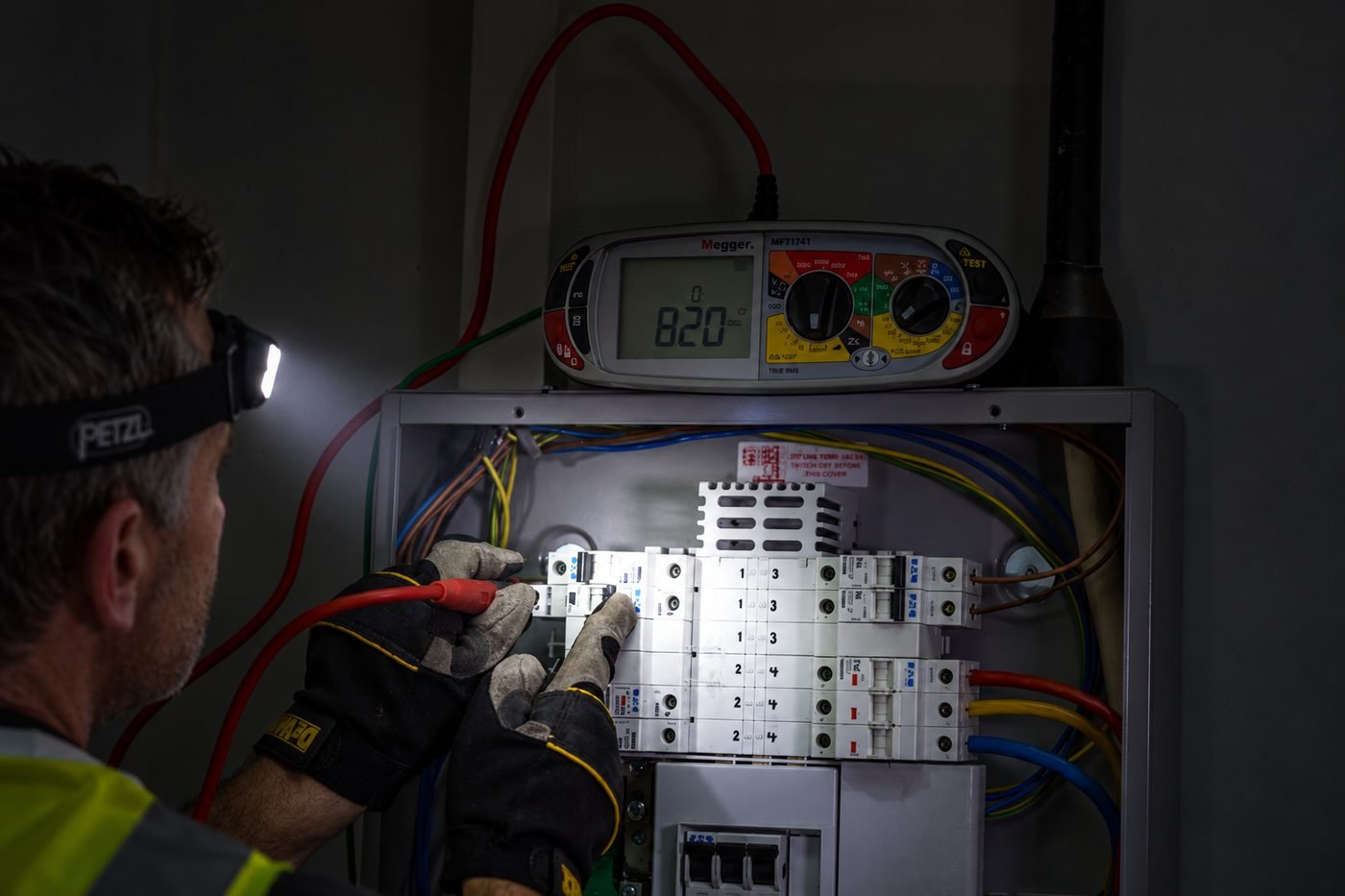
    We work from readings rather than assumptions. Testing can include continuity, insulation resistance, polarity, earth fault loop impedance and RCD testing. The results show where a fault sits, what an installation can safely take, and whether a problem is inside your property or on the incoming supply, which belongs to the distribution network operator and is reported free on 105.

  4. 04

    Your Options & the Cost

    Before any repair or installation begins, we explain the options: what needs doing now, what can safely wait, and whether repair or replacement is the sensible choice. Quotes are free and carry no obligation, and nothing goes ahead until you agree the price, so there are no call-out surprises. If parts or a return visit are needed, we tell you then.

  5. 05

    Carrying Out the Work

    The same qualified engineers who took your call carry out the work, whether that is an overnight repair, a fuse board replacement, new lighting, smoke and heat alarms, a rewire, an inspection, solar panels or an EV charging point. It is done to the current wiring regulations, with cables and accessories fixed securely and neatly, and disruption kept to a minimum.

  6. 06

    Final Testing & Certification

    Before we leave, the work is tested and checked in operation, and the working area is left tidy. You are told plainly what was done and anything worth keeping an eye on. Certification is supplied where the work calls for it, so you hold a written record of what was carried out and the results of the testing.

Common questions

Frequently Asked Questions

Why do my LED downlights keep failing?

Repeat failures usually point at something other than the lamp: heat building up around a fitting covered by insulation, a driver that is on its way out, or a dimmer that was never a good match for the lamps installed. We check the fitting, the ventilation and the switching together, then replace what is actually causing it.

All my lights have gone off but the sockets still work. What is wrong?

That normally means the lighting circuit has tripped or lost supply while the socket circuits are unaffected. It is often a failed lamp, water in an outside fitting or a damaged cable. If the breaker will not stay in, leave it off and call us: we are available 24 hours a day, 7 days a week.

Can you fit downlights in a ceiling that already has a pendant?

Usually yes. We look at the ceiling first to see which way the joists run, what else is up there and whether the existing point and switching can serve the new layout. We agree the positions with you before cutting anything, and allow for insulation and fire separation where the ceiling separates two floors.

Can you run lighting to the garden, a shed or an outbuilding?

Yes. Outside lighting and supplies to sheds and outbuildings are run in cable rated for the conditions, buried at a sensible depth or clipped where it is protected, and given the right protection at the board. Fittings are picked for their IP rating so they cope with rain, and the work is tested and certified.

More from us

Other Electrical Services

Get in touch

Talk to an Electrician Today

Contact us today on 01273 000 247 for help, advice or a free no-obligation quote.

Contact Us