Smoke and Heat Alarm Installation Across Sussex and the South East

Fire detection

Alarms That Wake the Whole House, Not One Room

We supply, install and test mains powered smoke and heat alarms in houses, flats and rented properties throughout Sussex and the South East. Battery-only alarms are easy to ignore once the battery starts chirping. A mains powered alarm draws from the fixed wiring, holds a backup cell for power cuts, and keeps working whether or not anyone remembers to look at it.

Interlinking matters more than the number of alarms. When units are linked, smoke detected in the hall sounds every alarm in the property at once, including the one on the landing outside the bedrooms. We link alarms either by running interconnect cable or by using radio linked units where lifting floors and chasing walls would mean taking a finished home apart.

Work is carried out to the current wiring regulations, BS 7671, and the alarms are positioned and commissioned in line with the recommendations for domestic fire detection. We are Part P registered and fully insured. Every alarm is tested on completion, you are shown how to test the system yourself, and the paperwork is left with you.

Smoke & Heat Alarms by CK Electrical

About this service

What Alarm Installation Involves

Smoke Alarms and Heat Alarms Are Not Interchangeable

Optical smoke alarms suit hallways, landings and living rooms, where they pick up the slow smouldering fires that start with furniture and wiring. A heat alarm goes in the kitchen instead. It triggers on a sharp rise in temperature rather than smoke, so toast and frying pans do not set the house off at breakfast.

Garages, lofts and boiler cupboards are usually covered by heat alarms as well, since dust, fumes and cold make those spaces awkward for smoke detection. We walk the property with you first and agree what goes where before anything is drilled.

What Landlords in England Have to Provide

Rented homes in England need at least one smoke alarm on every storey used as living accommodation, and a carbon monoxide alarm in any room with a fixed combustion appliance other than a gas cooker. The alarms must be in working order at the start of each new tenancy, and repaired or replaced once a tenant reports a fault.

That is the legal minimum rather than a sensible specification. A single alarm two floors below a sleeping tenant is unlikely to be heard in time, so interlinked mains alarms covering the hall, landing and kitchen are a better fit for most rented houses. Alarms can be fitted during an inspection visit if access is already arranged.

What Happens on the Day

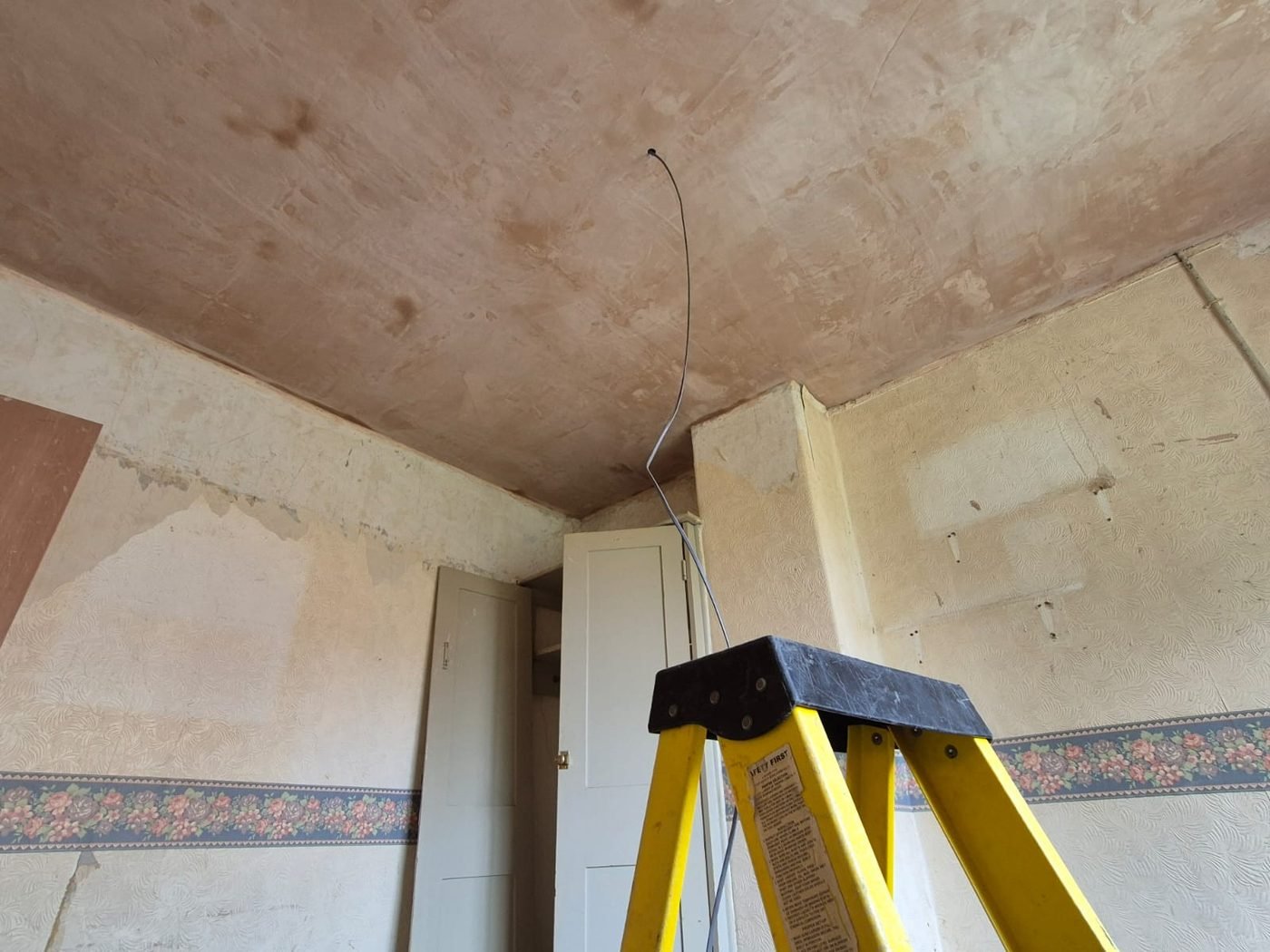
Fitting a set of alarms in an occupied house is usually a single visit. Alarms are sited centrally on ceilings, clear of walls, light fittings and air vents, and wired to a circuit that stays live. Where cabling has to cross ceilings we lift as few boards as possible and make good behind us.

Once everything is in, the system is commissioned as a whole. We trigger each alarm in turn and check that every other unit responds, confirm the backup supply, and hand over a certificate for the electrical work. You will be shown the test button and told how often to use it.

Nuisance Alarms, Chirping and Ageing Units

An alarm that sounds while you are cooking or chirps every few minutes is telling you something, usually about its position, its age or its backup cell. Alarms have a working life of around ten years and carry a replace-by date on the casing, after which the sensor drifts and false alarms become common.

We would rather move or replace an alarm than watch someone take the batteries out and leave a dead unit on the ceiling. If a whole set has reached the end of its life, replacing them together keeps them the same age and lets them interlink properly, which mixed units often will not do.

Response times

What Governs the Wait, and How a Fault Spreads

The honest answer is that it depends, and it is fairer to tell you what it depends on. Where the property sits in Sussex or the wider South East matters, as does the time of day, whether anyone can be there to let an engineer in, and how dangerous the symptoms you describe sound. You are told plainly where things stand when you call, rather than handed a figure that might not hold.

The phone is answered 24 hours a day, every day of the year, nights, weekends and bank holidays included, and the call itself does real work. Describing what you can see, hear and smell lets us sort a genuine hazard from work that is better booked in. A burning smell, scorching, sparking, a shock felt from a tap, or water that has reached wiring is treated ahead of a single dead socket.

Some faults are not ours to fix, and saying so on the phone saves a wasted visit. If the whole street is dark, the fault sits on the supply side and belongs to the distribution network operator, reported free on 105. Where it is yours, turn the installation off at the main switch if it is safe to reach, leave anything scorched or wet alone, and stop resetting a breaker that will not hold.

None of that is caution for its own sake. A loose or high resistance connection gives off heat whenever the circuit is loaded, and that heat carbonises the terminal and the insulation around it, which raises the resistance further, which makes more heat again. An MCB does not see it, because it protects the cable against overload and short circuit rather than the quality of a termination. What starts at one accessory can end as cable to replace and a wall to make good.

A shock works differently. Insulation that has failed can put metalwork at a voltage it should not be at, and a circuit protective conductor that is no longer continuous is what leaves it there, because fault current has no path back to operate the protective device. Completing that path takes a person, which is why what seems harmless in a dry room is another matter in your bathroom or outdoors. Equipment suffers too, since a lost neutral can leave appliances seeing an abnormal voltage.

Inside a modern consumer unit

Our process

How We Work, from First Visit to Final Certificate

  1. 01

    Your Call, Day or Night

    You can call us at any hour, every day of the year, including bank holidays. In an emergency we ask what has stopped working and whether anything is hot, sparking or smelling of burning, and tell you what to switch off until we arrive. Booked work, from a landlord certificate to solar panels or EV charging, starts on the same call.

  2. 02

    Arrival & Making Safe

    A Part P registered and fully insured engineer attends and makes the installation safe before anything else. Where there is a risk, the affected circuit or your fuse board is isolated, and anything that cannot be put right straight away is left in a safe condition. Planned work follows the same rule: circuits are proved dead before they are worked on.

  3. 03

    Diagnosis by Testing, Not Guesswork

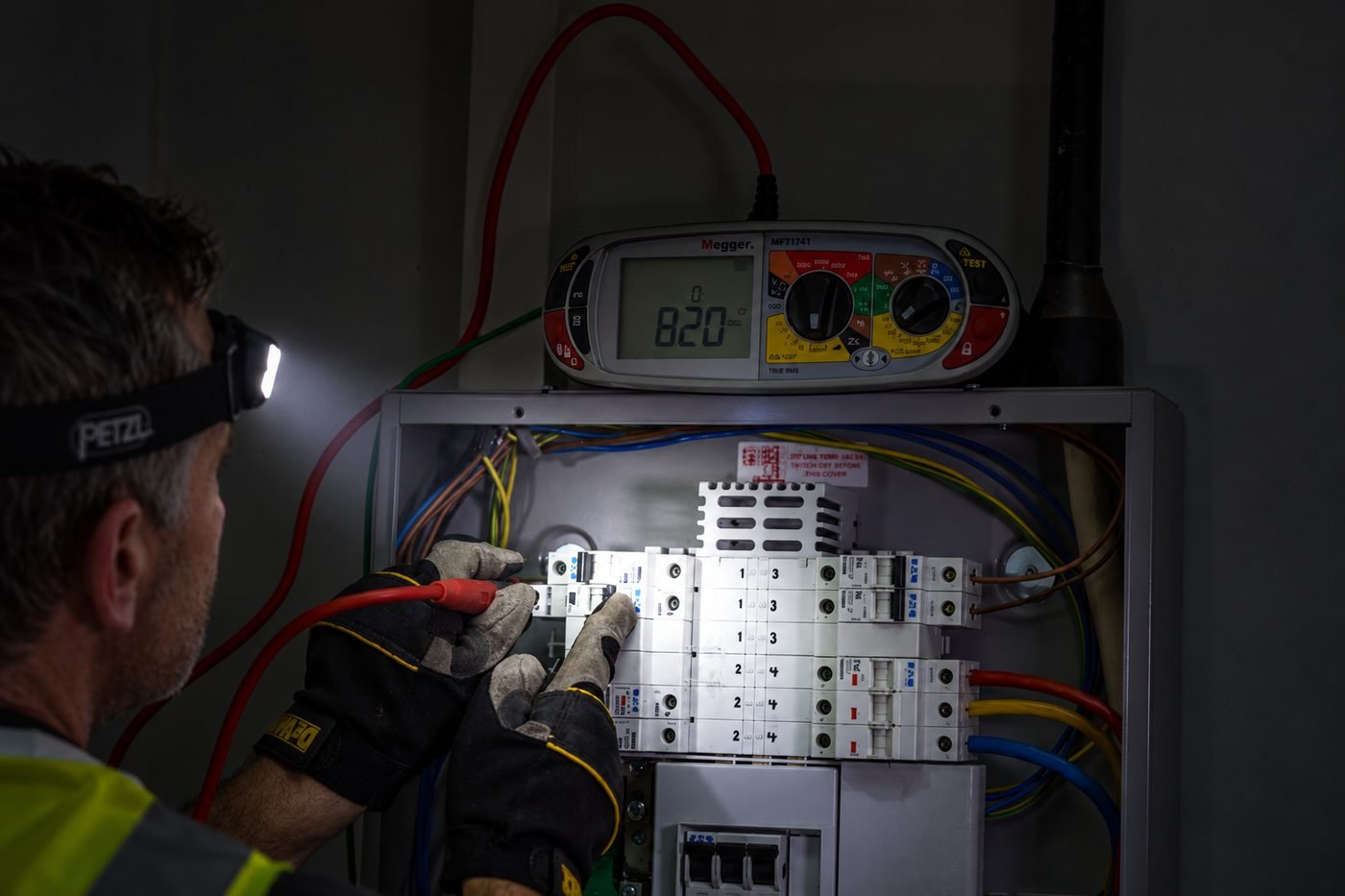
    We work from readings rather than assumptions. Testing can include continuity, insulation resistance, polarity, earth fault loop impedance and RCD testing. The results show where a fault sits, what an installation can safely take, and whether a problem is inside your property or on the incoming supply, which belongs to the distribution network operator and is reported free on 105.

  4. 04

    Your Options & the Cost

    Before any repair or installation begins, we explain the options: what needs doing now, what can safely wait, and whether repair or replacement is the sensible choice. Quotes are free and carry no obligation, and nothing goes ahead until you agree the price, so there are no call-out surprises. If parts or a return visit are needed, we tell you then.

  5. 05

    Carrying Out the Work

    The same qualified engineers who took your call carry out the work, whether that is an overnight repair, a fuse board replacement, new lighting, smoke and heat alarms, a rewire, an inspection, solar panels or an EV charging point. It is done to the current wiring regulations, with cables and accessories fixed securely and neatly, and disruption kept to a minimum.

  6. 06

    Final Testing & Certification

    Before we leave, the work is tested and checked in operation, and the working area is left tidy. You are told plainly what was done and anything worth keeping an eye on. Certification is supplied where the work calls for it, so you hold a written record of what was carried out and the results of the testing.

Common questions

Frequently Asked Questions

Do my smoke alarms have to be mains powered?

For new installations and rewires, mains powered alarms with a backup supply are the expected standard, and building control will look for them. Battery-only alarms are still legal in an existing owner-occupied home, but they rely on someone replacing cells, which is exactly what tends to be forgotten.

Can alarms be interlinked without lifting my floors?

Yes. Radio interlinked alarms are wired to a local supply and talk to each other wirelessly, so there is no interconnect cable to run between floors. It is the usual choice in a decorated house or a flat with a concrete floor. Hard wired interlink is used where the ceilings are already open.

How many alarms does my house need?

It depends on the layout rather than the number of bedrooms. As a starting point there is an alarm on every storey in the escape route, usually the hall and landing, with a heat alarm in the kitchen. Larger houses, loft conversions and rented property often need more, and we will tell you what applies.

My alarm keeps going off for no reason. Can you come out?

Yes, and it is worth dealing with rather than living with. We check siting, the state of the sensor and the backup supply, and look at whether steam, dust or an ageing unit is the cause. Call-outs are available 24 hours a day, 7 days a week across Sussex and the South East.

More from us

Other Electrical Services

Get in touch

Talk to an Electrician Today

Contact us today on 01273 000 247 for help, advice or a free no-obligation quote.

Contact Us